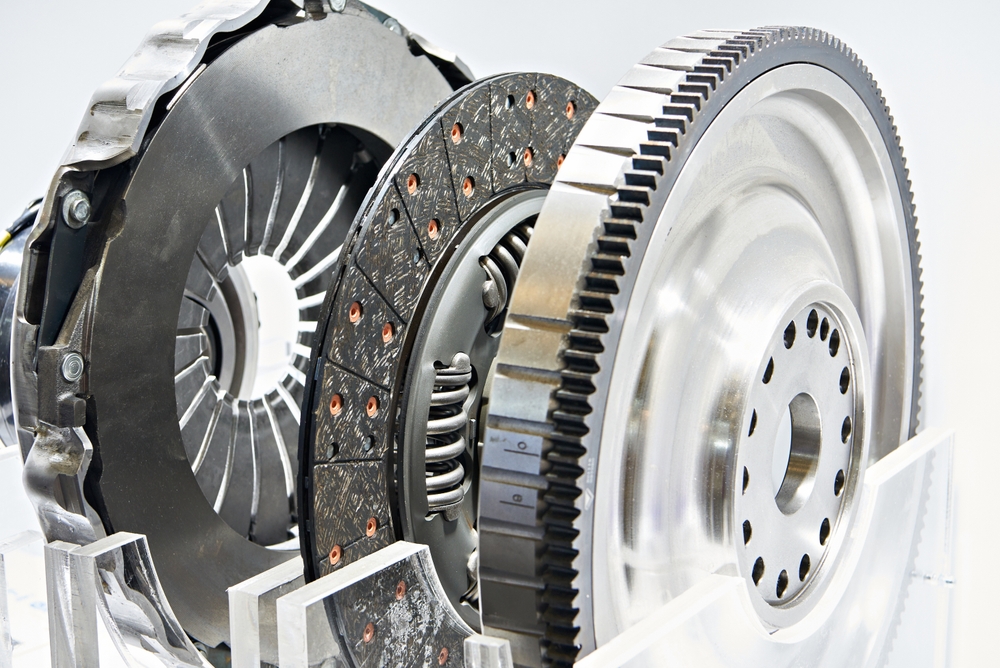
Symptoms of a Slipping Semi Clutch: Why Flywheel Resurfacing Beats Full Replacement in Wytheville, VA
August 30, 2026 3:55 pm Leave your thoughtsA slipping clutch can turn a routine run through Southwest Virginia into lost time, poor pulling power, and a truck that is harder to operate under load. For drivers and fleet operators traveling I-81, I-77, or the grades around Wythe County, recognizing clutch trouble early can help prevent a manageable repair from becoming a larger driveline problem.
Quick answer: Common symptoms of a slipping semi clutch include rising engine RPM without matching acceleration, difficulty pulling grades, reduced power under load, a burning smell, and changes in clutch engagement. When clutch service reveals a flywheel with a repairable friction surface, resurfacing can restore the proper mating surface without the cost and material involved in replacing an otherwise serviceable flywheel. Replacement is still appropriate when inspection finds damage or wear beyond acceptable limits.
What local truck owners and operators should know
-
A clutch that slips most noticeably under heavy throttle, while climbing grades, or with a loaded trailer deserves prompt attention.
-
The rolling terrain surrounding Wytheville and Wythe County can make clutch problems easier to notice because the drivetrain is regularly asked to transfer substantial torque under load.
-
I-81 and I-77 traffic makes dependable clutch operation especially important for commercial trucks entering, exiting, accelerating, and climbing at highway speeds.
-
Flywheel resurfacing may be an option during clutch repair, but the flywheel must first be inspected to determine whether it remains suitable for service.
-
Waiting on a slipping clutch can increase heat and wear, potentially affecting additional clutch and driveline components.
Why a Slipping Semi Clutch Matters in Wytheville
A slipping semi clutch matters in Wytheville because the region’s highway traffic, commercial trucking activity, and mountain terrain can expose a weak clutch whenever the drivetrain is placed under significant load. A truck may seem manageable on easier stretches but show obvious slipping as torque demand increases on a grade or during acceleration.
Wytheville sits at an important transportation crossroads where I-81 and I-77 meet. Trucks moving through Wythe County may also travel US Route 11, US Route 52, and routes connecting communities such as Fort Chiswell, Max Meadows, Rural Retreat, and surrounding Southwest Virginia.
That combination of highway driving, grades, loaded operation, and frequent commercial traffic makes clutch condition more than a matter of driving comfort. Reliable torque transfer affects how confidently a driver can merge, climb, maneuver, and keep a truck working.
Complete Truck Service Inc. serves truck owners and operators dealing with these types of driveline concerns. After this first mention, we will focus on what drivers should watch for and how proper inspection helps determine whether flywheel resurfacing or replacement is appropriate.
Local Field Observations: Clutch Problems Often Show Up Under Load
Clutch problems often become easiest to recognize when a semi is working hard, because additional torque demand exposes a clutch that can no longer maintain a solid connection between the engine and transmission. Rather than relying on a single symptom, drivers should pay attention to how engine speed, road speed, load, and clutch engagement behave together.
For trucks operating around Wytheville, grades can provide an obvious clue. If engine RPM climbs significantly but the truck does not accelerate accordingly, clutch slip may be occurring.
A proper diagnosis matters because similar drivability complaints can have different causes. Inspection allows us to evaluate the clutch system and determine what components actually require attention rather than assuming every symptom calls for the same repair.
How Clutch Slip Affects Local Trucks
Clutch slip affects local trucks by reducing efficient power transfer and creating excess heat at the clutch and flywheel friction surfaces. For commercial vehicles working around Wythe County, that can mean slower acceleration, difficulty handling grades, increased downtime, and additional wear if the problem continues.
Heat is particularly important. A clutch works through friction, but uncontrolled slipping creates heat rather than transferring engine torque efficiently.
A driver traveling loaded on I-81 may first notice the problem while climbing. A local vocational truck might reveal it during repeated starts or maneuvering. Regardless of the route, persistent slip deserves diagnosis before additional heat and wear complicate the repair.
Warning Signs of a Slipping Semi Clutch
The clearest warning signs of a slipping semi clutch are engine RPM rising without proportional road speed, poor pulling performance, abnormal clutch engagement, and excessive heat or burning odors. Drivers should consider the complete pattern of symptoms rather than relying on one sign alone.
Watch for:
-
Engine RPM increases rapidly during acceleration without a matching increase in vehicle speed.
-
The truck struggles more than expected when pulling a loaded trailer or climbing a grade.
-
Slipping becomes more noticeable under heavy throttle.
-
A burning or overheated friction-material smell appears after demanding operation.
-
The clutch engagement point feels different than it normally does.
-
Starting from a stop becomes less predictable.
-
Clutch performance changes after the drivetrain warms up.
-
The truck feels as though engine power is not being transferred fully to the transmission.
These symptoms do not replace an inspection, but they are good reasons to have the clutch system checked.
When to Call a Professional for Clutch Problems
Professional clutch service is appropriate when slipping repeats under load, RPM and road speed no longer rise together, engagement changes noticeably, or burning odors accompany clutch operation. Drivers can monitor when symptoms occur, but diagnosing internal clutch and flywheel condition requires access, inspection, and appropriate service equipment.
Before scheduling service, note whether the problem happens when the truck is cold or hot, loaded or empty, on level roads or grades, and in particular gears. Those details can help narrow the diagnostic process.
Continuing to deliberately make a clutch slip to “test” it is not a good DIY strategy. Additional slipping generates additional heat.
Common Causes of Semi Clutch Slip
Common causes of semi clutch slip include worn friction components, improper clutch operation or adjustment issues, heat damage, contamination, and friction-surface problems. The exact cause needs to be confirmed before deciding which components should be repaired, resurfaced, adjusted, or replaced.
1. Worn clutch friction material
As friction material wears, the clutch may lose its ability to hold properly under engine torque. Heavy loads and grades can make the resulting slip particularly noticeable.
2. Excessive heat
Repeated slipping creates heat, and heat can affect the condition of clutch and flywheel surfaces. That is one reason early inspection can matter.
3. Flywheel surface wear
The flywheel provides a critical mating surface for the clutch. Surface condition must be evaluated during clutch work so the new or serviced clutch has an appropriate surface to engage.
4. Contamination
Oil or other contamination on friction surfaces can interfere with proper clutch engagement. The source of contamination should be identified rather than addressing only the resulting slip.
5. Other clutch-system problems
Not every slipping complaint has an identical cause. Correct diagnosis is preferable to replacing components based only on symptoms.
How Preventive Maintenance Can Reduce Clutch Trouble
Preventive clutch maintenance starts with noticing engagement changes early, avoiding unnecessary slipping, and having abnormal operation inspected before heat and wear become more severe. For trucks regularly operating through Southwest Virginia’s grades, drivers should be particularly attentive to changes that appear during loaded climbs.
Drivers can help by avoiding unnecessary clutch riding and recording new symptoms for maintenance personnel. Fleet operators can also encourage drivers to report small changes before the truck becomes difficult to operate.
DIY observation is useful. Internal inspection, flywheel measurement, clutch removal, and resurfacing decisions belong in a properly equipped truck repair environment.
Why Flywheel Resurfacing Can Beat Full Replacement
Flywheel resurfacing can beat full replacement when the existing flywheel remains serviceable because resurfacing restores the friction surface while retaining a component that does not otherwise require replacement. The key is inspection. A flywheel should not be resurfaced simply because resurfacing costs less, nor replaced automatically when its condition permits proper reconditioning.
During clutch work, the flywheel surface matters because the clutch needs an appropriate mating surface. Resurfacing removes surface irregularities within allowable limits and prepares the flywheel for continued service.
For Wytheville truck owners, the practical advantage is avoiding unnecessary replacement when the existing component can be correctly restored. However, resurfacing is not suitable for every flywheel. Damage, excessive wear, dimensional limits, cracking, or other unacceptable conditions may make replacement the proper choice.
Common Flywheel and Clutch Repair Mistakes
The biggest clutch repair mistakes are treating symptoms without diagnosing the cause, ignoring flywheel condition, and assuming replacement is always better than evaluating a serviceable component. A better repair decision considers the clutch system as a whole.
Mistake: Continuing to drive after repeated clutch slip.
Consequence: Additional slipping can create more heat and wear.
Better approach: Schedule an inspection when slipping becomes repeatable.
Mistake: Installing clutch components without properly evaluating the flywheel surface.
Consequence: The clutch may not have the mating surface needed for proper operation.
Better approach: Inspect the flywheel as part of clutch service.
Mistake: Automatically replacing every flywheel.
Consequence: A truck owner may pay for a component that did not require replacement.
Better approach: Determine whether resurfacing is appropriate based on actual condition and applicable specifications.
A Common Local Clutch Scenario
A common local clutch scenario is a truck that operates reasonably well under lighter demand but begins showing noticeable slip while loaded or climbing through the Wytheville area. The driver may see RPM increase without getting the acceleration expected from the engine.
This is a representative scenario, not a specific customer case.
Once the truck is inspected, the repair decision should be based on actual component condition. If clutch service is required and the flywheel remains within serviceable limits, resurfacing may provide the appropriate friction surface without requiring complete flywheel replacement. If inspection identifies unacceptable damage or wear, replacement becomes the more appropriate path.
Related Clutch and Flywheel Service Solutions
Clutch and flywheel service should address both the cause of the slipping and the condition of the components that work together to transfer engine torque. That can include clutch inspection, removal and repair work, flywheel evaluation, resurfacing when appropriate, and replacement when a component is no longer serviceable.
Our goal is to determine what the truck actually needs rather than treating every clutch complaint as an identical repair.
Flywheel Resurfacing vs. Replacement
Resurfacing is usually the better option when the flywheel is serviceable and can be restored within required limits, while replacement is appropriate when condition or specifications make resurfacing unsuitable. Neither choice should be automatic.
| Option | Best Fit | Main Consideration |
|---|---|---|
| Flywheel resurfacing | Serviceable flywheel with a friction surface that can be correctly restored | Preserves a usable component while preparing the proper mating surface |
| Flywheel replacement | Flywheel with unacceptable wear, damage, cracking, or condition outside serviceable limits | Provides a replacement when the existing flywheel should not return to service |
| Ignoring the surface | Not recommended during needed clutch work | Can leave an unsuitable mating surface unaddressed |
The right decision comes from inspection and measurement, not guesswork.
Semi Clutch Service Areas Around Wytheville
Semi clutch service in the Wytheville area supports trucks traveling throughout Wythe County and nearby Southwest Virginia communities. Local and through-route operators may be coming from Fort Chiswell, Max Meadows, Rural Retreat, or the I-81 and I-77 corridors when clutch symptoms appear.
Keeping repairs local can also help operators address a developing problem before putting the truck back into demanding regional service.
The Cost of Ignoring a Slipping Clutch
Ignoring a slipping clutch can mean increasing heat, worsening friction-surface wear, reduced pulling ability, and the possibility of additional downtime when the truck eventually requires service. In a freight corridor like Wytheville, waiting until the truck can no longer perform normally can make an already disruptive problem harder to manage.
Prompt diagnosis does not mean every symptom requires complete replacement. It means finding the cause while repair options can still be evaluated based on actual condition.
Frequently Asked Questions
What does a slipping semi clutch feel like?
A slipping semi clutch commonly feels like the engine is gaining RPM faster than the truck is gaining speed. It may be most obvious during hard acceleration, loaded operation, or climbing grades. Drivers may also notice changed engagement characteristics or a burning smell. Repeated symptoms warrant professional inspection rather than continued testing through intentional slipping.
Why might clutch slip become more noticeable around Wytheville, VA?
Clutch slip may become more noticeable around Wytheville because grades and loaded highway operation can place greater torque demand on the clutch. Trucks traveling the I-81 and I-77 corridors regularly encounter conditions where a weakened clutch has to work harder, making a loss of holding ability easier for a driver to recognize.
Can a semi flywheel be resurfaced instead of replaced?
A semi flywheel may be resurfaced when inspection confirms that its condition and dimensions allow it to be properly restored for continued service. Resurfacing is not appropriate for every flywheel. The decision should account for wear, heat effects, damage, applicable specifications, and whether machining can produce a suitable friction surface.
Is flywheel resurfacing better than replacement in Wytheville?
Flywheel resurfacing can be better than replacement in Wytheville when the existing flywheel remains serviceable and can be correctly machined within allowable limits. It avoids replacing a usable component while providing the clutch with a renewed mating surface. If the flywheel is damaged or outside serviceable limits, replacement is the better repair.
Can I keep driving a semi with a slipping clutch?
Continuing to operate a semi with a repeatedly slipping clutch can increase heat and wear, so prompt inspection is the safer maintenance decision. A truck working grades around Wythe County may place substantial demand on an already compromised clutch. How the vehicle should be handled depends on symptom severity and the results of professional diagnosis.
Does a burning smell mean my semi clutch is slipping?
A burning smell can accompany clutch slip because excessive friction creates heat, but odor alone does not confirm the diagnosis. If the smell appears along with rising RPM, reduced acceleration, or problems pulling grades around Southwest Virginia, the combination provides a stronger reason to have the clutch system professionally inspected.
Should the flywheel always be replaced during a clutch job?
No, a flywheel should not automatically be replaced solely because clutch service is being performed. Its actual condition should determine the next step. A serviceable flywheel may be suitable for resurfacing, while cracking, unacceptable wear, dimensional concerns, or other damage may require replacement. Proper inspection prevents assumptions in either direction.
When should a Wytheville truck operator schedule clutch service?
A Wytheville truck operator should schedule clutch service when slipping becomes repeatable, pulling performance deteriorates, engagement changes, or heat-related symptoms appear. Early diagnosis is particularly worthwhile before sending the truck back onto demanding routes through Wythe County, I-81, I-77, or other regional roads where loads and grades can expose clutch problems.
Keep Your Truck Pulling Reliably Through Southwest Virginia
Clutch problems are easier to address when drivers recognize the warning signs and have the system inspected before continued slipping creates unnecessary heat and wear. For trucks working in and around Wytheville, the right repair may include flywheel resurfacing rather than automatic replacement when inspection confirms the existing flywheel remains serviceable.
Get the Right Clutch and Flywheel Repair for Your Truck
Get a condition-based repair recommendation focused on restoring dependable clutch operation without replacing serviceable components unnecessarily.
Categorised in: Truck Service
This post was written by admin